
Many of us born in that country that no longer exists, suffer from a rare and elusive condition known as Yugonostalgia. It is an enduring, everlasting longing, lying dormant until suddenly awakened with full force by a piece of music, a familiar smell, an image, or an object.
It brings forth a complex sentiment of yearning for a seemingly simpler time, and for the spirit of brotherhood and unity (bratstvo i jedinstvo) within a shared, multi-ethnic space, social security, dignity of labour, and economic stability. This sentiment stands in sharp contrast with present-day nationalistic divisions and economic struggles.
It is, of course, a romanticised view of the past, sustained by historical distance and fading memories that cling to what was good while quietly burying what was not.
Yugonostalgia is felt both by older generations who lived that reality and by younger ones who inherit and reimagine it through cultural touchstones — often as an expression of disillusionment with contemporary capitalist life.
Therefor it should not be a surprise the popularity of ubiquitous everyday items of Yugo-era, as cultural artefacts reinterpreted as a quiet critique of contemporary capitalist fashion culture, which often values branding, disposability
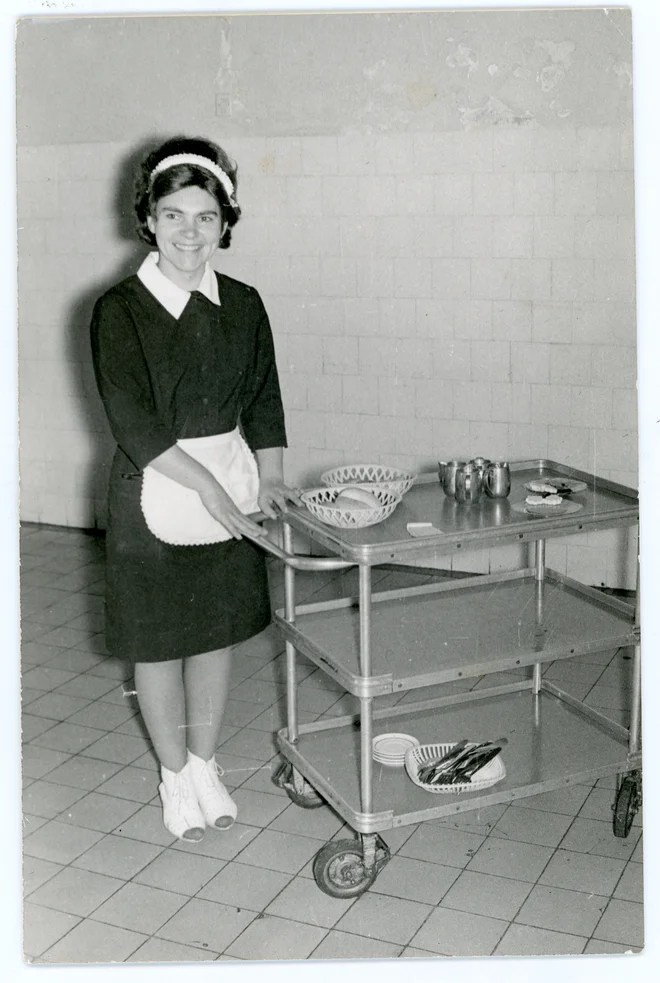
Borosana shoes were designed in Yugoslavia as practical, affordable, and health-oriented footwear for working women, particularly in factories, hospitals, and offices. Worn by nurses, factory workers, office clerks, and teachers, their design prioritised comfort, durability, and affordability over aesthetics. Their widespread use made them a part of daily life. The simbol of the working woman.
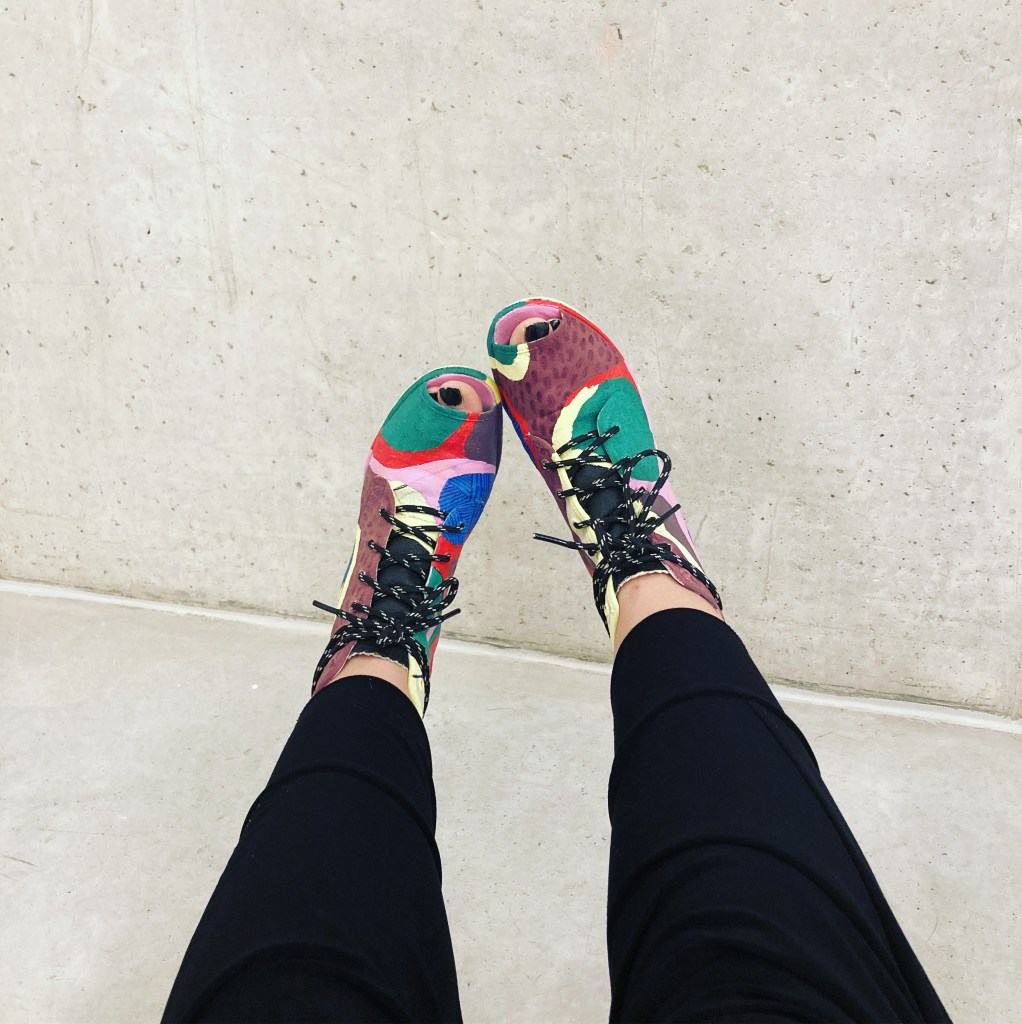
In their contemporary revival, Borosanas have been reimagined as fashion objects. New iterations feature playful colours and bold prints — visual elements that were absent from the original designs. What was once worn because it was practical and sensible is now worn deliberately, often with irony and affection.
Through fashion, Borosanas are reinserted into everyday life, bridging generations and enabling dialogue between history, memory, and present-day identity.
 SALVAGE BY DESIGN
Leave a comment